28 August 2026
First chews for puppies: what to start with, and what to wait for
Puppies chew. It isn't naughtiness, it's how they investigate the world and how they get through teething. The question isn't whether to give them something to chew, it's making sure what you give them is appropriate for a mouth that's still changing.
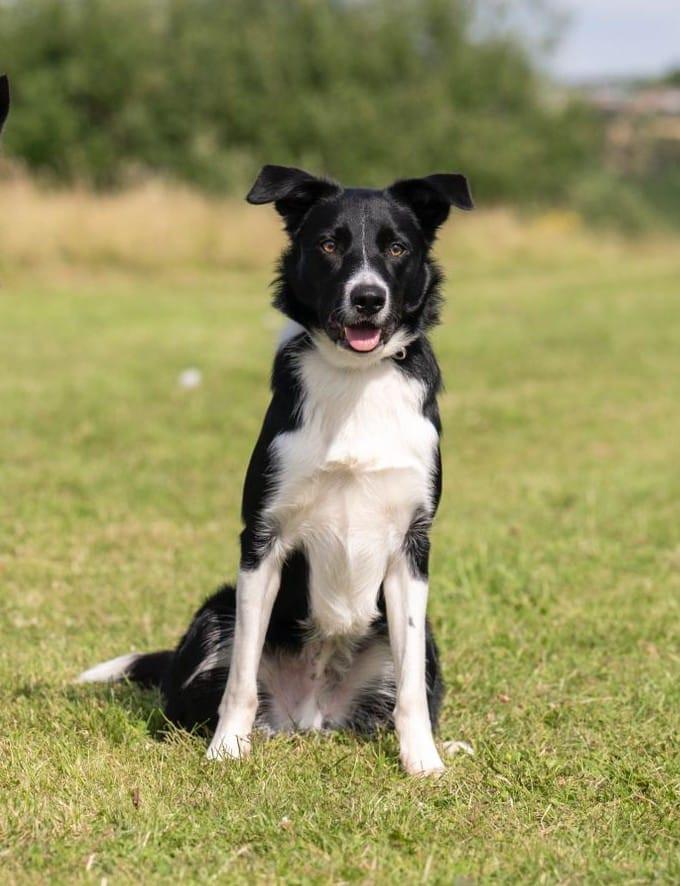
Encore, our youngest tester, is the reason we think about this properly. At eighteen months he still wants to try everything, and when he was smaller we learned quickly which things were sensible and which could wait.
Start soft. Rabbit ears, fish skins and thin strips are all good first chews, they give way, they're small, and they don't ask much of baby teeth. Our Hairy Rabbit Ears (60p), Fish Twists (60p) and Fish D'Light Salmon Sticks (60p) are all easy starting points, and none of them cost enough to matter if your puppy turns their nose up.
Hold off on the hard stuff. Antlers, horns, hooves and knuckles are brilliant chews for an adult dog with a full set of adult teeth. For a puppy they're a needless risk, a cracked tooth is expensive, painful and entirely avoidable by waiting. There's no rush; those chews will still be there in a year.
Size up, not down. A chew that's too small is a choking risk, and puppies are less sensible about this than adult dogs. Go bigger than you think you need and take it away once it's been worn down.
Introduce one thing at a time. If a puppy's stomach doesn't agree with something, you want to know which something it was. A few days between new proteins makes that much easier to work out.
And supervise. Every time, not just the first time. A puppy with a new chew is exactly when you want to be in the room.
If your puppy has a sensitive stomach or any underlying health condition, check with your vet before introducing new treats, especially richer ones.
Treat your dog
100% natural chews and treats, tested by our own pack. Free UK delivery from £30.
Shop the range